
Subtotal $0.00

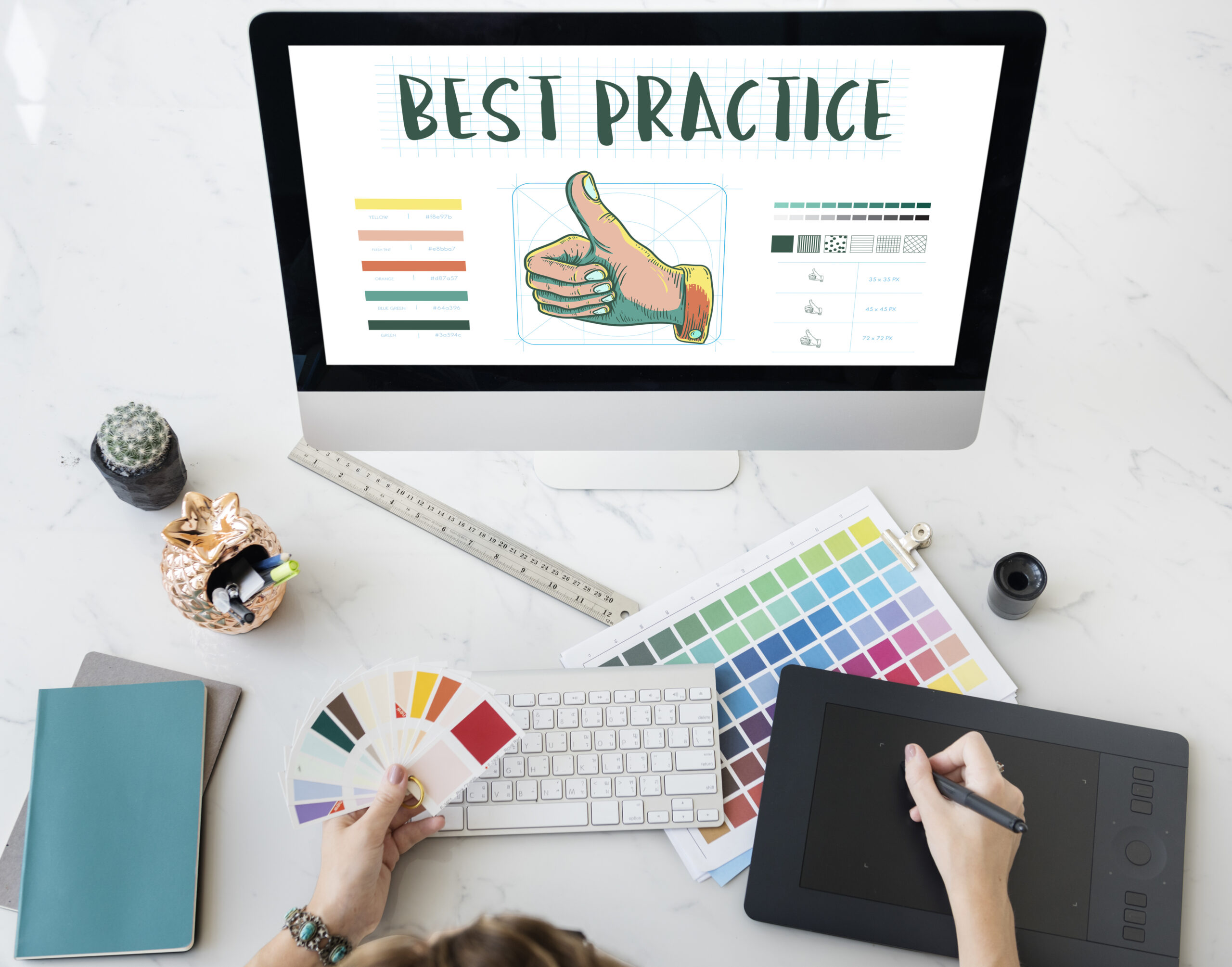
A logo is more than just a graphic placed on a website or business card. It becomes the visual identity of your company and often the very first thing people remember about your brand. A strong logo can build trust, increase recognition, and create a lasting impression. A weak logo can confuse customers, make a business appear unprofessional, and even hurt credibility.
Many business owners ask the same question after receiving a logo design:
“Is my logo actually good?”
The answer is not always about personal taste. A professionally designed logo follows specific principles that make it effective in the real world. Whether you are launching a startup, refreshing your company image, or evaluating an old logo, understanding design quality is essential.
At Blueprint Logo Design, businesses regularly reach out asking how to determine whether their current logo is helping or hurting their brand. This guide breaks down the key factors that separate average logos from memorable and high-performing brand identities.
Why Logo Quality Matters
Your logo appears everywhere:
- Website
- Social media
- Packaging
- Advertising
- Email signatures
- Business cards
- Apparel
- Vehicles
- Promotional products
Because it appears in so many places, your logo directly impacts how customers perceive your company.
A high-quality logo helps:
- Build customer trust
- Improve brand recognition
- Increase professionalism
- Create emotional connection
- Differentiate your company from competitors
Poor-quality logos often create the opposite effect.
Customers may not consciously analyze a logo, but they immediately form opinions based on visual presentation. Research consistently shows that people judge brands within seconds of seeing their identity materials.
1. Is Your Logo Simple and Easy to Recognize?
One of the biggest signs of a strong logo is simplicity.
Think about some of the world’s most recognizable brands:
- Apple
- Nike
- McDonald’s
Their logos are clean, memorable, and easy to identify instantly.
A good logo should not overwhelm viewers with excessive detail, complicated illustrations, or too many visual elements.
Ask yourself:
- Can people recognize it quickly?
- Does it still look good at small sizes?
- Is the design cluttered?
- Would someone remember it after seeing it once?
If your logo becomes difficult to understand when scaled down, it may be too complex.
2. Does the Logo Reflect Your Brand Identity?
A logo should communicate the personality and nature of your business.
For example:
- A law firm usually requires a professional and trustworthy appearance
- A children’s toy company may use playful colors and shapes
- A luxury brand often uses minimal and elegant typography
- A tech company may use sleek modern design elements
Your logo should align with your audience and industry expectations without looking generic.
A mismatch between brand personality and logo style creates confusion.
For example, if a financial consulting company uses cartoon-style fonts and bright neon colors, customers may question the professionalism of the business.
3. Is the Typography Professional?
Typography plays a major role in logo quality.
One of the most common mistakes businesses make is choosing poor fonts. Fonts that are overused, difficult to read, or overly decorative can immediately reduce credibility.
Professional logos typically use typography that is:
- Clean
- Balanced
- Readable
- Timeless
- Appropriate for the industry
A good test is viewing the logo from a distance or on a mobile device. If the text becomes difficult to read, adjustments may be necessary.
Custom typography or carefully selected professional fonts often help brands stand out more effectively than generic font choices.
4. Does the Color Selection Make Sense?
Color psychology strongly affects branding.
Different colors create different emotional responses:
- Blue often represents trust and professionalism
- Red creates energy and excitement
- Black suggests sophistication and luxury
- Green is commonly associated with growth and nature
- Orange conveys creativity and enthusiasm
A high-quality logo uses colors strategically rather than randomly.
Another important factor is versatility.
Your logo should still look strong in:
- Black and white
- Full color
- Dark backgrounds
- Light backgrounds
- Print materials
- Digital formats
If the logo only works in one exact color setup, it may have usability limitations.
At Blueprint Logo Design, many clients request multiple color variations specifically because logos need flexibility across different platforms and marketing materials.
5. Is the Logo Memorable?
Memorability is one of the hardest elements to achieve in logo design.
A memorable logo does not necessarily need to be complicated. In fact, simpler designs are often easier for customers to remember.
Ask yourself:
- Does the logo have a unique visual element?
- Does it stand apart from competitors?
- Would someone recognize it later?
If your logo looks almost identical to dozens of competitors in your industry, it may struggle to create long-term brand recognition.
A strong logo creates distinction while still feeling professional and relevant.
6. Does It Work Across All Sizes?
A professionally designed logo must scale properly.
Many logos look fine on a website header but become unreadable on:
- Social media profile images
- Embroidery
- Business cards
- Mobile devices
- Promotional products
Good logos maintain clarity whether displayed on a billboard or a pen.
Professional designers typically create responsive logo systems that include:
- Primary logo
- Secondary layout
- Icon-only version
- Horizontal variation
- Vertical variation
This flexibility ensures consistency across all branding applications.
7. Is Your Logo Timeless or Trendy?
Design trends change constantly.
What looks modern today may appear outdated in two years.
A good logo balances modern aesthetics with long-term usability.
Extremely trendy elements can quickly age a brand identity.
Examples include:
- Overused gradient effects
- Excessive shadows
- Trend-based fonts
- Temporary graphic styles
Timeless logos usually rely on strong fundamentals rather than design fads.
This does not mean your logo should feel old-fashioned. It simply means the design should remain effective long after trends evolve.
8. Does the Logo Look Original?
Originality matters for branding and legal reasons.
A logo that resembles another company too closely can create confusion and potential trademark problems.
Unfortunately, many low-cost logo services use:
- Generic templates
- Stock graphics
- AI-generated duplicates
- Recycled icons
This creates branding issues because your company may not truly own a unique identity.
A professionally developed logo should feel customized for your business rather than copied from an online template library.
9. Does It Create Trust?
Customers subconsciously judge businesses based on visual presentation.
An outdated or amateur-looking logo may signal:
- Inexperience
- Lack of professionalism
- Poor quality service
- Inconsistency
A polished logo immediately improves credibility.
This is especially important for industries such as:
- Finance
- Healthcare
- Legal services
- Construction
- Technology
- E-commerce
Strong branding can influence customer decisions before any conversation even begins.
10. Is Your Logo Adaptable for Future Growth?
Many businesses outgrow their logos because they were designed too narrowly.
For example:
- A local business expands nationally
- A company adds new services
- A startup evolves into a larger corporation
Your logo should support long-term growth.
Overly niche or restrictive designs may create problems later.
Good logos remain flexible enough to evolve with the business while maintaining brand consistency.
Common Signs Your Logo Needs Improvement
You may need a logo redesign if:
- The design looks outdated
- Competitors appear more modern
- Customers do not remember your brand
- The logo becomes blurry at smaller sizes
- Colors feel inconsistent
- The typography is hard to read
- The design uses clipart or templates
- Your business has evolved significantly
Many successful companies refresh their logos periodically to stay current while maintaining brand recognition.
The Difference Between Cheap Logos and Professional Logos
There is a major difference between low-cost logo generators and professional branding work.
Cheap logos often rely on:
- Templates
- Generic icons
- Limited customization
- Weak scalability
- Poor typography
- Non-original artwork
Professional logo design focuses on:
- Brand strategy
- Industry positioning
- Audience psychology
- Scalability
- Versatility
- Originality
- Long-term branding value
Your logo becomes one of the most important visual assets your company owns. Investing in quality branding often delivers long-term business benefits.
Why Professional Evaluation Matters
Many business owners evaluate logos based purely on personal preference.
Professional designers evaluate logos based on performance.
A logo may look attractive but still fail in practical use cases such as:
- Printing
- Scaling
- Brand differentiation
- Audience targeting
- Cross-platform consistency
This is why experienced branding professionals analyze logos strategically rather than emotionally.
At Blueprint Logo Design, businesses often request detailed logo evaluations before moving forward with redesigns or rebranding strategies.
Questions You Should Ask About Your Logo
Here are some of the most important questions to ask:
- Does my logo represent my company professionally?
- Is it memorable?
- Is it unique?
- Does it scale properly?
- Does it work in black and white?
- Is the typography readable?
- Does it feel modern yet timeless?
- Does it reflect my target audience?
- Can it grow with my business?
- Does it create trust?
If the answer to several of these questions is “no,” it may be time for improvement.
How Blueprint Logo Design Helps Businesses Build Strong Branding
Blueprint Logo Design works with businesses looking to create professional brand identities that perform across digital and print platforms.
Services include:
- Custom logo design
- Brand identity development
- Multiple logo concepts
- Color variations
- Typography refinement
- Scalable vector files
- Brand consistency support
The focus is not simply creating something visually attractive. The goal is building logos that strengthen brand recognition and support long-term business growth.
Businesses looking to evaluate or improve their branding can contact Blueprint Logo Design directly:
Phone: 773-831-7419
Toll Free: 1888-245-9008
Final Thoughts
A good logo is not judged solely by appearance. It is measured by how effectively it communicates your brand, builds trust, and creates recognition over time.
Strong logo design combines:
- Simplicity
- Strategy
- Readability
- Memorability
- Versatility
- Professionalism
Whether you are launching a new business or evaluating an existing brand identity, understanding these principles can help you determine if your logo is truly working for your company.
If your current logo no longer reflects the quality of your business, it may be time to invest in a stronger visual identity that supports your future growth.
Comments are closed