
Subtotal $0.00

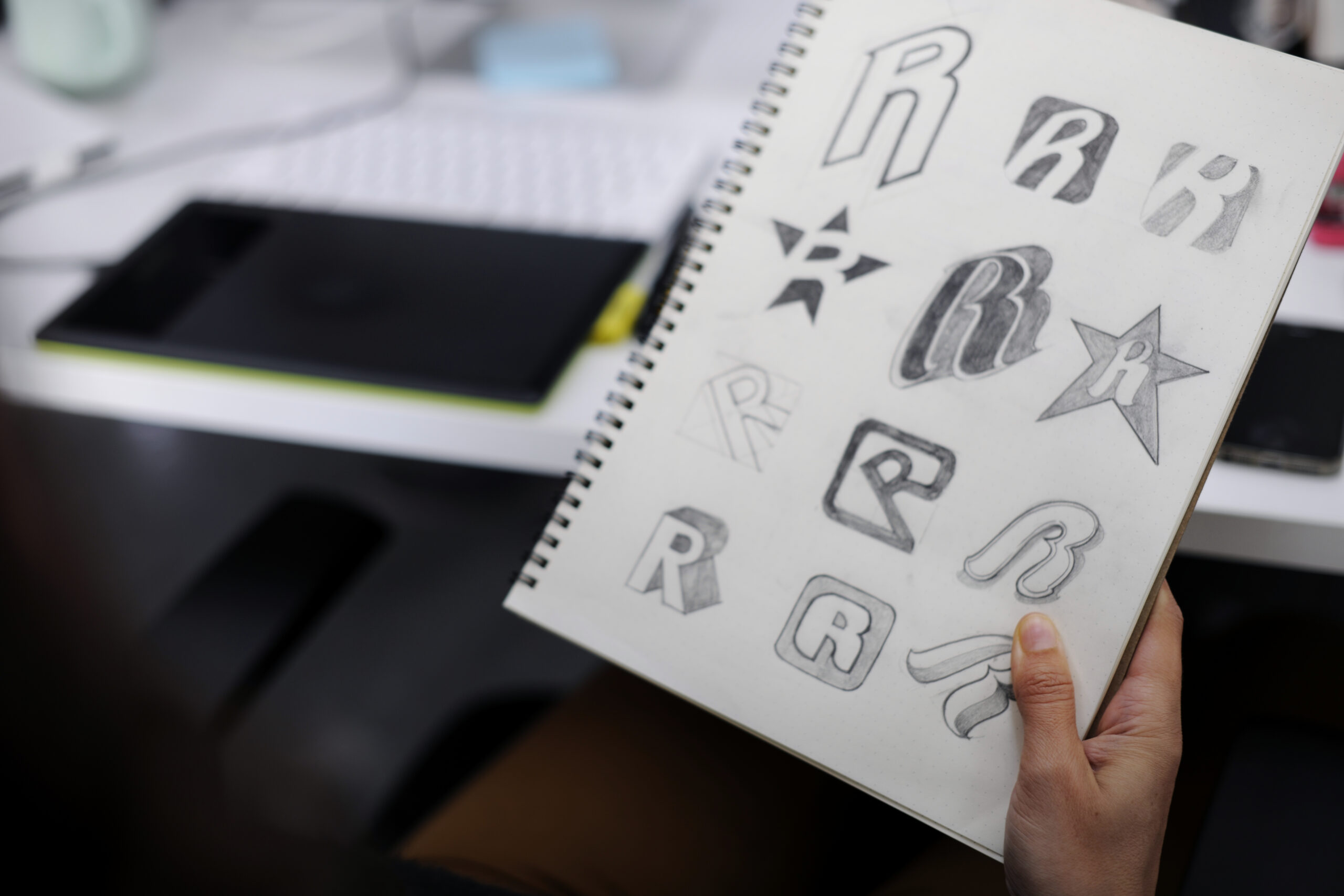
When you need a designer for your logo, website, or branding project, the first thing most businesses do is look at portfolios. A portfolio is a designer’s public resume. It is where they show their skills, style, creativity, and experience. But not every portfolio that looks good at first glance actually means the designer is great to work with. Some portfolios are shiny but shallow. Others show real depth in skill and strategic design thinking.
If you are wondering how to tell the difference between a portfolio that is just pretty and one that proves a designer is truly skilled, this guide has you covered.
We will walk you through practical steps and evaluation tips so you can hire a designer with confidence. When you make the right choice you save time, money, and frustration. And if you want expert help right away, you can contact the team at BlueprintLogoDesign.com by visiting www.BlueprintLogoDesign.com or calling 773-831-7419 or 1-888-245-9008.
Understanding What a Portfolio Really Shows
A portfolio is a collection of work samples. For designers it usually includes visuals like logos, websites, app screens, packaging designs, and branding elements. On the surface this looks like art. What you are really trying to evaluate is skill. That means you want to see how the designer thinks, solves problems, and applies design fundamentals.
A strong portfolio does more than display nice graphics. It shows process, reasoning, and results.
Here’s what you should focus on.
1. Clarity of Purpose and Problem Solving
Good design is not just decoration. Design solves problems. When you look at a portfolio piece ask:
- What was the goal of this project?
- Was the designer trying to improve sales, brand recognition, readability, or user experience?
- How did they address the challenge?
The best portfolios include a short description with each project. That description shows what the client needed, what the designer did, and what the result was.
Beautiful visuals with no context might look impressive, but they do not prove the designer understands strategy.
When you review portfolios, look for case studies that explain:
- The client’s business and audience
- The design problem
- The approach or design process
- The final result and why choices were made
This helps you understand whether the designer just makes things that look good or whether they solve real business problems.
2. Consistency Across Multiple Projects
A single great design might be a lucky shot. The true test is consistency.
When reviewing a designer’s portfolio:
- Look for a wide range of work with high quality across all pieces
- See whether the designer can adapt to different styles while maintaining professionalism
- Avoid portfolios that only show one or two excellent designs and the rest mediocre
True skill shows in how consistently thoughtful and polished every piece is.
If everything looks well executed, you can trust that the designer’s skill isn’t accidental.
3. Variety vs. Specialization
Not every business needs a designer who does everything. Some designers specialize in one area like logo design or UX interfaces. Others are generalists.
Evaluate whether the range of work fits what you need.
If you want a logo designer, a portfolio full of web pages is interesting but not proof of strength in logos.
If you want a brand identity suite, a designer who only shows single illustrations might not be experienced enough.
That does not mean one is better than the other. It means you should match the portfolio to your needs.
At BlueprintLogoDesign.com, for example, you will find designers who specialize in logo and identity design. Their portfolio showcases deep expertise in creating unique, memorable brands.
4. Quality of Execution and Design Fundamentals
When you look at a designer’s work, pay attention to the basics. Great design flows from strong fundamentals.
Here are things to look for:
- Strong typography
- Balanced and thoughtful use of color
- Clear visual hierarchy
- Effective use of negative space
- Well structured layouts
- Attention to alignment and spacing
- Consistency in visual language
Even if a style is minimal or bold, good design fundamentals should be obvious.
If the work feels disorganized, if fonts are hard to read, or if colors clash without purpose, that is a red flag.
5. Originality and Creativity
A good portfolio shows creativity. That does not mean every design must be wild or unusual. It means the work should feel original and not like a template copy.
Be cautious if:
- Every project feels very similar
- You recognize the designs from common free templates
- There is little variation in structure or style
Original designs show that the creator understands how to tailor visuals to unique brand identities. That is what real design skill looks like.
At BlueprintLogoDesign.com, many case studies show tailored design solutions that reflect each client’s unique identity and goals.
6. User Experience When Applicable
For websites, apps, or interface designs, good UX is essential.
A portfolio should show:
- Clear navigation
- Logical flow
- Ease of use
- Accessibility considerations
Even if the visual style is strong, poor user experience means the design fails its purpose.
A good way to check UX in a portfolio is to ask for interactive samples or live links. Seeing a design in action tells you more than static images.
7. Testimonials and Client Feedback
Many strong portfolios include client quotes or feedback. This gives insight into:
- How the designer worked with the client
- Whether deadlines were met
- How communication was handled
- Whether the client was satisfied
A good testimonial combined with a good project sample increases confidence in the designer’s skill.
Be cautious if there are only visuals but no client insights. It may be deliberate, but it could also hide weaknesses in working relationships.
8. Relevance to Your Industry
While strong designers adapt to many industries, seeing work in your niche can give you confidence.
If a designer has created successful projects for businesses like yours, that suggests they understand your market.
That said, don’t discount designers who have strong fundamentals but limited niche experience. Their core skill can easily transfer.
Just weigh this factor with others in your evaluation.
9. Clear Presentation and Organization
The way a portfolio is presented matters.
Professional designers:
- Organize work clearly
- Use filters or categories
- Provide concise, meaningful descriptions
- Show their work without clutter
Portfolios with broken links, confusing navigation, or inconsistent formatting may reflect a lack of attention to detail.
10. Credibility Beyond the Portfolio
Portfolios are important, but they are one piece of the puzzle. Real evaluation also includes:
- Interviews
- References
- Communication quality
- Project timelines
- Contract clarity
A designer might have a great portfolio but poor communication skills. That can kill a project just as fast as a lack of technical skill.
Good designers communicate clearly, set expectations, and ask the right questions.
Checklist to Evaluate a Designer Portfolio
Use this checklist when reviewing designers.
Portfolio Checklist
- Does the designer explain the purpose behind each project?
- Is the quality consistent across multiple samples?
- Does the portfolio match the specific type of design work you need?
- Are design fundamentals evident?
- Does the work show originality?
- For UX related work, does the design look intuitive and user friendly?
- Are client testimonials included?
- Is there relevance to your industry?
- Is the portfolio easy to navigate and presented professionally?
- Does the designer show strategic thinking, not just aesthetics?
If most answers are yes, that portfolio is worth considering.
How to Spot Red Flags
Portfolios may be impressive at first glance but hide weaknesses.
Be cautious if:
- The portfolio has no context or descriptions
- Several pieces look very similar
- Client feedback is missing or vague
- There are spelling and grammar mistakes in descriptions
- Images look low quality or stretched
- The designer does not show process work
- There are unfinished or unpolished samples
These often point to either inexperience or lack of professionalism.
Questions to Ask the Designer After Reviewing Their Portfolio
When you shortlist designers, asking the right questions helps reveal true capability.
Ask:
- Can you walk me through a project that was challenging and how you solved it?
- How do you approach client feedback?
- Can you share live links or prototypes?
- What tools and processes do you use?
- How do you measure design success?
- Can you provide references from past clients?
Their responses reveal thought process, confidence, and communication style.
Why Choosing the Right Designer Matters
A strong designer does more than make things look good. They help:
- Position your brand properly
- Increase conversions and engagement
- Strengthen brand recognition
- Create design assets that last
- Save time and reduce rework
Poor design can confuse customers, hurt your credibility, and damage your brand reputation.
Getting this choice right is a long term investment in your business success.
Why Consider Blueprint Logo Design
If you want proven expertise with portfolio examples you can trust, you can explore work at www.BlueprintLogoDesign.com. Our team specializes in high quality logo design, brand development, and visual identity solutions that help businesses stand out and grow.
Whether you need a professional logo, brand strategy, or comprehensive design support, our designers have experience helping clients across industries. You can learn more or book a consultation by calling 773-831-7419 or 1-888-245-9008.
Final Thoughts
Evaluating a designer’s portfolio is both art and science. It requires attention to detail, focus on fundamentals, and an understanding of how design impacts business results. Don’t be seduced by visuals alone. Look for evidence of strategic thinking, problem solving, and consistency.
Use the tips in this guide to separate good portfolios from great ones. Ask questions, review case studies, and trust your instincts.
Design matters. When you evaluate portfolios the right way, you make choices that help your business grow and thrive.
For expert design services and portfolio examples that reflect real results, visit www.BlueprintLogoDesign.com or call 773-831-7419 or 1-888-245-9008 today.
Comments are closed