
Subtotal $0.00

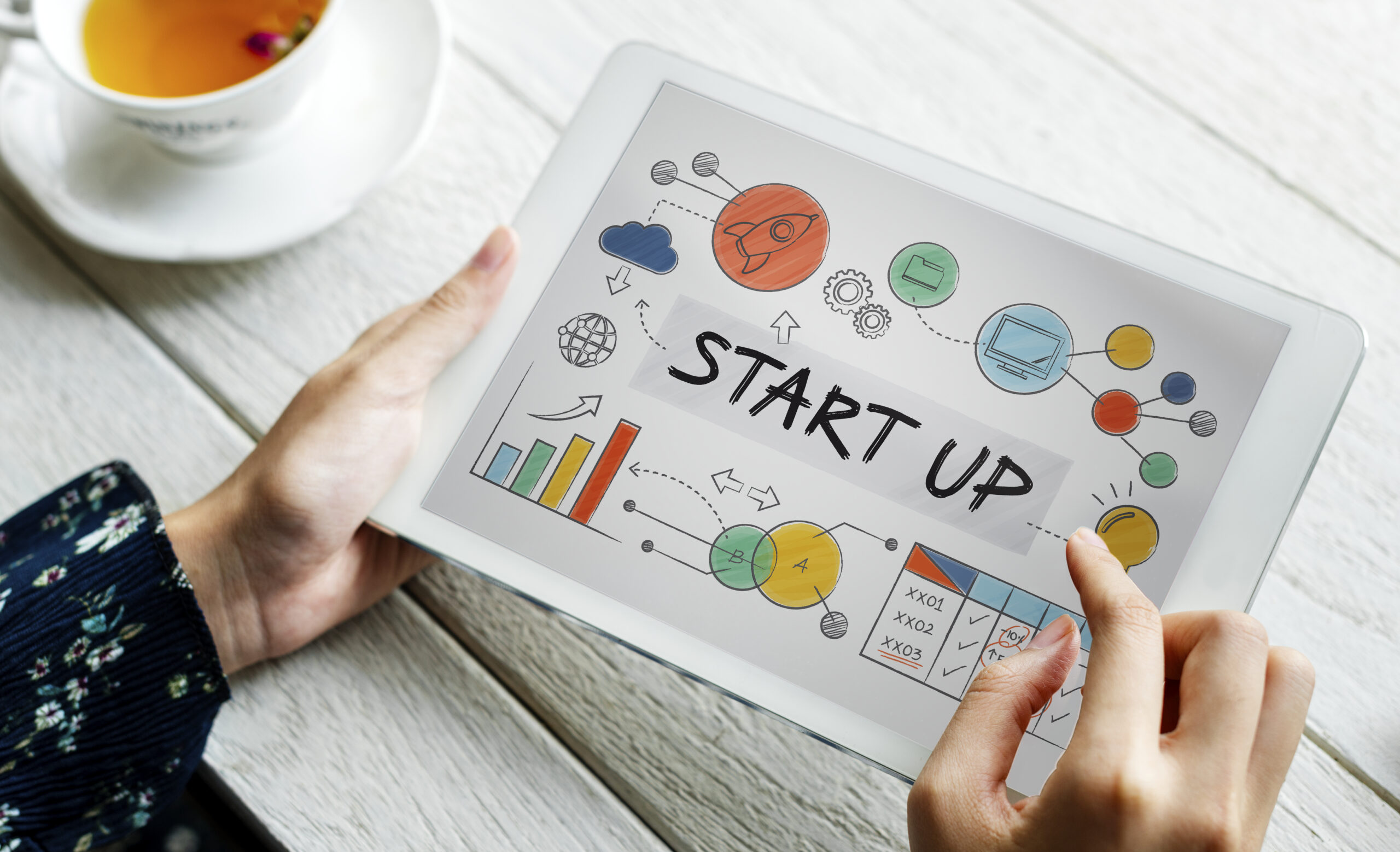
Chicago is home to businesses of every size, from ambitious startups and local service providers to established companies serving customers across the country. As competition increases, having a strong mobile presence is no longer simply an advantage it can be an important part of how a business attracts customers, builds loyalty, and generates revenue.
For companies searching for a mobile app developer in Chicago, choosing the right development partner can make a significant difference. A successful mobile application requires more than technical coding. It needs a clear purpose, intuitive user experience, professional branding, reliable functionality, and a strategy designed around the people who will actually use the app.
This is where Blueprint Logo Designcan help businesses turn an app idea into a stronger digital experience.
Whether you are planning a mobile application for a startup, an ecommerce company, a professional service, a restaurant, a healthcare organization, or an established Chicago business, the right combination of mobile app development, branding, design, and digital strategy can give your business a stronger foundation for growth.
Why Chicago Businesses Need Strong Mobile Apps
Chicago is one of the largest business markets in the United States. Companies operating in the city compete not only with businesses located nearby but also with national and international brands that can reach Chicago customers through digital channels.
Consumers increasingly expect businesses to provide convenient digital experiences. They may want to schedule an appointment, purchase a product, request a service, communicate with a company, receive notifications, manage an account, or access information directly from a smartphone.
A well-designed mobile application can bring these experiences together in one convenient platform.
However, simply having an app does not guarantee success.
An application that is difficult to navigate, slow to load, visually outdated, confusing, or disconnected from a company’s brand can discourage users. Businesses therefore need to think about the entire customer experience before development begins.
That means asking important questions:
- What problem will the app solve?
- Who is the target audience?
- What features are genuinely necessary?
- How will customers navigate the application?
- What should the app look and feel like?
- How will the application support the company’s business objectives?
- How will customers discover and continue using the app?
- How will the business measure success?
Answering these questions early can prevent expensive changes later.
What Makes a Successful Mobile Application?
A successful mobile application brings together several important components. Technology is one of them, but it is only part of the equation.
1. A Clear Business Objective
Before development starts, a business should have a clear reason for creating the application.
An ecommerce company may want an app to increase mobile purchases. A restaurant may want to simplify ordering and reservations. A service company may want customers to schedule appointments. A membership organization may want to provide members with exclusive resources.
The objective influences everything from functionality to design.
A mobile app should not be created simply because competitors have one. It should provide a meaningful benefit to the customer and a measurable benefit to the business.
2. User-Friendly Navigation
Users should not have to spend time figuring out how an application works.
Navigation needs to be intuitive. Important features should be easy to locate, buttons should be clearly identified, and the overall structure should feel natural.
A professional mobile app developer in Chicago should consider how users move through the application from their first interaction through the completion of an important action.
For example, if the goal is to generate appointments, the path from opening the app to booking an appointment should be straightforward.
3. Professional UI and UX Design
User interface (UI) and user experience (UX) play a major role in how people perceive an application.
UI focuses on the visual experience, including typography, colors, buttons, icons, layouts, imagery, and other interface elements.
UX focuses on how effectively and comfortably users interact with the application.
A visually attractive application that is difficult to use is not necessarily a successful application. Likewise, an easy-to-use application with inconsistent branding may not communicate the professionalism of the business.
The best results come from combining visual design with practical usability.
4. Consistent Branding
Branding is particularly important when developing a mobile application because the app becomes another customer touchpoint.
Your logo, colors, typography, imagery, messaging, and overall visual style should work together.
A customer who visits your website, sees your social media profile, receives an email, and opens your mobile app should feel that all of these experiences belong to the same company.
This is one area where a company such as Blueprint Logo Designcan provide additional value. Mobile app development should not exist separately from the business’s broader brand identity.
How Blueprint Logo Design Can Help With Mobile App Development
Blueprint Logo Designis positioned to help businesses approach digital projects from both a creative and business perspective.
When developing a mobile application, businesses often focus heavily on functionality. Features such as registration, payments, messaging, push notifications, shopping carts, booking systems, customer accounts, and integrations may receive most of the attention.
Those features are important, but the way they are presented to customers matters just as much.
Blueprint Logo Designcan help businesses create a stronger connection between their brand identity and mobile experience.
This can include establishing a consistent visual direction, developing interfaces that reflect the company’s identity, and creating a digital experience that is designed around the target customer.
For a business looking for a mobile app developer Chicago companies can rely on, having access to branding and design expertise can simplify the process of turning an idea into a cohesive digital product.
From App Idea to Digital Product
Many business owners start with an idea rather than a technical specification.
They may know that they want an app but are unsure about the development process.
A professional development process can transform that initial idea into a structured project.
Step 1: Define the Concept
The first step is understanding the business, audience, goals, and problem the app is supposed to solve.
This is where the project should establish its core purpose.
Step 2: Identify the Features
Once the objective is clear, the required features can be prioritized.
Depending on the business, an application might include:
- Customer registration and login
- User profiles
- Ecommerce functionality
- Appointment scheduling
- Online payments
- Push notifications
- Loyalty programs
- Messaging
- GPS or location-based features
- Content management
- Product catalogs
- Booking systems
- Reviews and ratings
- Customer support
- Social media integration
Not every application needs every feature. Prioritization is important because unnecessary functionality can increase development costs and complicate the user experience.
Step 3: Create the User Experience
The next stage involves determining how users will interact with the application.
This includes mapping out screens, navigation, user journeys, calls to action, and important conversion points.
For example, an ecommerce application should make it easy for a customer to discover a product, review its information, add it to a cart, and complete checkout.
Step 4: Develop the Application
Once the structure and design have been established, developers can begin building the application.
Depending on project requirements, development may involve native mobile development or cross-platform technologies.
The appropriate technology should be selected based on factors such as performance, functionality, scalability, maintenance requirements, budget, and target devices.
Step 5: Test Before Launch
Testing should be treated as an essential part of development rather than an afterthought.
Applications should be tested for functionality, navigation, responsiveness, compatibility, security, forms, payments, links, notifications, and other important features.
Testing across different devices and screen sizes can help identify problems before customers encounter them.
Step 6: Launch and Improve
Launching the application is not the end of the process.
Businesses should monitor performance and customer feedback after launch.
Analytics can reveal where users are engaging, where they are leaving, and which features are receiving the most attention.
Continuous improvement can help an application remain useful as customer expectations and business requirements change.
Mobile App Development and Your Brand Go Hand in Hand
A mobile app should reinforce your company’s identity rather than feel like a separate product.
Consider a customer who downloads an application after discovering a company through Google. The first few seconds of the experience can influence whether the customer continues exploring.
Professional branding can help establish credibility.
A consistent design can also make the application easier to recognize. When colors, fonts, icons, imagery, and messaging are consistent, customers can develop stronger familiarity with the brand.
This is particularly valuable for small businesses and startups competing against larger companies.
A strong brand can help communicate professionalism before a customer even interacts with the company’s products or services.
Why Chicago Businesses Should Think Beyond Development
Searching for a mobile app developer in Chicago should not simply mean finding someone who can write code.
Businesses should consider the complete digital ecosystem surrounding the application.
Your website, logo, social media accounts, online advertising, search presence, email marketing, and mobile application should ideally support the same brand strategy.
For example, if a company has a modern website but launches an application with outdated graphics and inconsistent colors, customers may question whether they are using the official app.
A coordinated digital presence creates a more professional experience.
Blueprint Logo Designcan help businesses think about this connection from a branding and design perspective.
Mobile Apps Can Support Customer Retention
Acquiring a new customer can require significant effort. Once someone becomes a customer, businesses need effective ways to maintain that relationship.
A mobile application can create another channel for ongoing engagement.
Depending on the business model, apps can provide:
- Personalized offers
- Loyalty rewards
- Order updates
- Appointment reminders
- New product notifications
- Exclusive content
- Customer support
- Membership benefits
- Important announcements
Push notifications, for example, can help businesses communicate directly with users who have opted in to receive updates.
However, businesses should focus on providing useful information rather than overwhelming customers with unnecessary notifications.
Mobile Apps Can Help Small Businesses Compete
Mobile technology is not limited to large corporations.
Small and medium-sized Chicago businesses can also benefit from a well-planned mobile application.
A local service provider could use an app to manage appointments. A retailer could provide mobile shopping. A restaurant could offer ordering and loyalty rewards. A fitness business could provide class schedules and memberships.
The key is identifying a real customer need.
When an application makes a process easier, faster, or more convenient, it has a stronger reason to exist.
The Importance of Scalable App Development
Businesses should also think about what happens after the initial launch.
An application may begin with a relatively small feature set and expand as the business grows.
For example, a company may initially launch an app with customer accounts and appointment scheduling. Later, it may add payments, loyalty rewards, messaging, or personalized offers.
Building with scalability in mind can make future improvements easier.
This is particularly important for startups because their business model may evolve as they learn more about their customers.
Why Choose Blueprint Logo Design?
When businesses evaluate digital partners, they should look beyond technical capabilities and consider whether the partner understands their broader business objectives.
Blueprint Logo Designbrings branding and digital design considerations into the conversation.
The goal should not simply be to create an application that works. The goal should be to create an application that works for the business and its customers.
A successful mobile application should support the company’s identity, communicate its value, provide a smooth customer experience, and create opportunities for long-term growth.
Businesses interested in learning more about mobile app development, branding, and digital solutions can visit BlueprintLogoDesign.com.
You can also contact Blueprint Logo Designat 773-831-7419 or 1888-245-9008 to discuss your project and explore how a professionally designed mobile application can support your business objectives.
Build an App That Supports Your Business Goals
The right mobile application can become much more than another icon on a customer’s phone.
It can become a direct connection between your business and your audience.
From customer accounts and ecommerce to appointment scheduling, loyalty programs, notifications, and specialized business tools, mobile applications can create new ways for companies to serve customers and strengthen relationships.
But successful development starts long before the first line of code is written.
It starts with understanding the business, identifying the customer problem, establishing the right features, developing a clear user experience, and creating a visual identity that customers can recognize.
For Chicago businesses considering mobile app development, this strategic approach can make the difference between an application that simply exists and one that genuinely contributes to business growth.
Blueprint Logo Designcan help bring these elements together by combining branding, design, and digital development into a more cohesive strategy.
If you have a mobile app idea that you want to turn into a professional digital product, now is the time to start planning the foundation.
Contact Blueprint Logo Designat 773-831-7419 or 1888-245-9008, or visit BlueprintLogoDesign.com, to discuss your goals and learn how the right mobile app strategy can help your Chicago business stand out.
Frequently Asked Questions About Mobile App Development in Chicago
What does a mobile app developer do?
A mobile app developer builds applications for smartphones and other mobile devices. Depending on the project, development may include programming, database integration, APIs, payment systems, user authentication, notifications, testing, and ongoing maintenance.
How much does it cost to develop a mobile app?
The cost varies significantly depending on the application’s complexity, number of platforms, features, integrations, design requirements, and development timeline. A simple application may require considerably less investment than a large ecommerce or enterprise application.
Should my business have both a website and a mobile app?
A website and mobile application serve different purposes. A website is important for search visibility and reaching people who are discovering your business online, while an application can provide a more personalized and convenient experience for returning customers. Depending on your business model, having both may be beneficial.
How long does mobile app development take?
The timeline depends on the scope of the project. The planning, UX/UI design, development, testing, revisions, and launch process can all affect the schedule. Establishing clear requirements at the beginning can help keep development organized.
Can a mobile app help my Chicago business grow?
It can. A well-planned application can improve customer convenience, support purchases or bookings, increase engagement, provide loyalty features, and create another channel for communicating with customers. The actual results depend on the business model, app quality, marketing strategy, and customer adoption.
What should I look for in a mobile app development company?
Look for experience, communication, design capabilities, technical expertise, testing practices, scalability, post-launch support, and an understanding of your business objectives. A development partner should be able to explain the process clearly and connect technical decisions to your goals.
Final Thoughts
Finding the right mobile app developer in Chicago is an important decision, but development should be viewed as part of a larger digital strategy.
The strongest applications combine technology, usability, branding, and business strategy. They solve a real problem for customers while helping the company achieve measurable objectives.
Blueprint Logo Designcan help businesses approach mobile app projects with this bigger picture in mind. From establishing a recognizable brand experience to creating a user-friendly digital product, the right strategy can give your application a stronger foundation from day one.
If you’re ready to explore your next mobile app project, contact Blueprint Logo Design at 773-831-7419 or 1888-245-9008, and visit BlueprintLogoDesign.com to learn more about how professional branding, design, and mobile app development can help your business succeed.
Comments are closed